
Huaier Administration Summary
|
Dose |
Duration |
|
Twice the recommended dose |
Approximately 175 days |
1. Case Information
|
Item |
Content |
|
Breed |
Japanese domestic cat |
|
Age/Sex |
17-year-old spayed female |
|
Chief complaints |
Persistent sneezing and nasal discharge for approximately 1 month, followed by epistaxis and swelling of the frontal nasal region beginning 5 days before presentation |
|
Medical history/background |
The cat had a history of feline viral rhinotracheitis (FVR) and allergic dermatitis since kittenhood and had continued to receive a hypoallergenic diet. Antimicrobial and interferon therapy had been administered for approximately 1 month before presentation. Routine vaccination with a five-component feline vaccine had been maintained. |
2. Case Overview
Diagnostic Evaluation
Physical examination and diagnostic imaging
At initial presentation, difficulty opening the right eye and prominent swelling extending from the nasal to paranasal region were observed. Radiography revealed increased opacity of the right nasal cavity.
Computed tomography demonstrated a mass lesion associated with osteolysis of the nasal septum and nasal bone. No osteolysis of the cribriform plate or intracranial extension was identified at that time.
Cytologic and molecular findings
Cytologic examination of the nasal lesion revealed numerous large neoplastic lymphoid cells. Lymphocyte clonality testing demonstrated immunoglobulin heavy-chain (IgH) gene rearrangement, supporting a diagnosis of high-grade B-cell nasal lymphoma.
Viral PCR testing
PCR testing was positive for feline herpesvirus and feline calicivirus.
3. Treatment Course and Concomitant Management
Induction Phase
Although radiation therapy is generally considered an important treatment option for feline nasal lymphoma, chemotherapy was selected in this case in accordance with the owner's strong preference to reduce treatment costs and minimize the frequency of hospital visits.
As an initial protocol allowing relatively long intervals between visits, combination treatment with L-asparaginase (L-asp) and nimustine (ACNU) was initiated.
-
Day 1: L-asp (400 U/kg) was administered subcutaneously. A marked reduction in tumor size was observed, and a partial response (PR) was achieved.
-
Day 8: L-asp (400 U/kg) and ACNU (35 mg/m²) were administered.
-
Day 15: Rapid tumor regrowth was observed, consistent with progressive disease (PD).
Treatment Adjustment Phase
Following confirmation of PD, multi-agent CHOP chemotherapy was again proposed. However, because of concerns regarding the burden of frequent hospital visits, treatment was changed to high-dose intravenous cyclophosphamide (CPA) monotherapy at 460 mg/m², based on previously reported protocols (Moore et al., 2018; Chan et al., 2020).
-
Day 22: The first dose of high-dose CPA (460 mg/m²) was administered.
-
Day 29 — major treatment complication: The visible tumor had nearly disappeared, approaching a clinical complete response (CR). However, severe febrile neutropenia developed following high-dose CPA, with a body temperature of 39.8°C, WBC count of 360/µL, and neutrophil count of 180/µL. Severe vomiting, diarrhea, marked nasal discharge, and sneezing developed concurrently. Given the profound myelosuppression together with the cat's previous clinical history and PCR findings, reactivation or exacerbation of viral upper respiratory disease was clinically suspected.
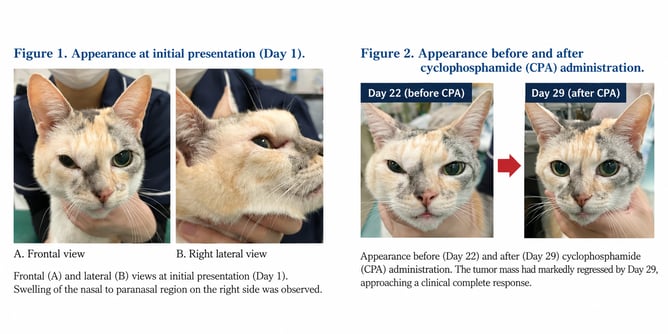
Figure 1. Gross appearance at initial presentation.
Figure 2. Gross appearance before and after cyclophosphamide (CPA) administration.
Concomitant Supportive Management
To manage the severe neutropenia and concurrent upper respiratory and gastrointestinal signs, symptomatic treatment, including the antiemetic maropitant, was provided.
At the owner's request, Huaier-derived glycan TPG-1 was additionally introduced at twice the recommended dose as adjunctive supportive care.
Clinical Course After Introduction of Huaier-Derived Glycan TPG-1
Following initiation of TPG-1 together with supportive treatment, the marked nasal discharge and diarrhea observed during chemotherapy resolved and were not documented again during the subsequent treatment period.
Vomiting was also controlled, and appetite and activity were reported to improve.
However, because several interventions were administered concurrently and recovery from chemotherapy-induced myelosuppression was also occurring, the extent to which TPG-1 contributed to these clinical changes cannot be determined from this single case.
Dose Reduction and Subsequent Re-escalation of CPA
From Day 71 onward, the CPA dose was reduced by 10% to 414 mg/m² because of concern regarding recurrence of febrile neutropenia.
At the owner's strong request to maintain longer intervals between hospital visits, the dose was subsequently increased again to 460 mg/m² at the fourth administration.
Although neutropenia was again observed approximately 1 week after chemotherapy, no associated fever or secondary clinical signs suggestive of infection were documented.
Development of Treatment Resistance and Terminal Phase
After resistance to CPA developed, vincristine (0.6 mg/m²), toceranib, radiation therapy, carboplatin (220 mg/m²), and lomustine (CCNU) were introduced sequentially.
Huaier-derived glycan TPG-1 was continued throughout these subsequent systemic and local treatments.
During this period, no recurrence of diarrhea, nasal discharge, or sneezing was documented, and no further episodes of febrile neutropenia or clinically apparent infectious complications were reported.
The cat was reported to maintain an acceptable quality of life until the late stage of disease and died on Day 203 following tumor progression with intracranial involvement.
4. Clinical Course and Laboratory Data
|
Day |
Huaier-Derived Glycan TPG-1 Dose |
Temperature |
WBC |
Neutrophils |
Clinical Signs |
Treatment |
Clinical Status/Notes |
|
1 |
– |
– |
– |
– |
Sneezing, nasal discharge, epistaxis, facial swelling |
L-asp 400 U/kg |
PR; initial tumor reduction |
|
8 |
– |
– |
– |
– |
– |
L-asp 400 U/kg, ACNU 35 mg/m² |
Tumor size maintained; chemotherapy continued |
|
15 |
– |
– |
– |
– |
– |
– |
PD; tumor regrowth |
|
22 |
– |
– |
– |
– |
– |
CPA 460 mg/m² |
Switched to high-dose CPA protocol |
|
29 |
2× |
39.8 |
360 |
180 |
Fever, vomiting, diarrhea, severe nasal discharge, sneezing |
Supportive treatment including maropitant; initiation of Huaier-derived glycan TPG-1 at 2× dose following CPA administration |
Near-CR accompanied by febrile neutropenia and exacerbation of upper respiratory signs |
|
29–70 |
2× |
Within normal range |
– |
Approximately 10,000–25,000, with fluctuations |
Nasal discharge and diarrhea resolved; vomiting improved |
CPA treatment continued |
Tumor control maintained; no recurrence of the previously observed respiratory or gastrointestinal signs |
|
≥71 |
2× |
Within normal range |
– |
Episodes of neutropenia without fever |
No recurrence of gastrointestinal or nasal signs |
CPA reduced by 10%, subsequently increased again to 460 mg/m² at the fourth administration |
No recurrence of febrile neutropenia documented |
|
Development of resistance–203
|
2× |
Within normal range |
– |
– |
No gastrointestinal or nasal signs; no clinically apparent infectious complications |
Vincristine 0.6 mg/m², toceranib, radiation therapy, carboplatin 220 mg/m², CCNU |
Quality of life reported to remain acceptable until the terminal stage; death on Day 203 following intracranial tumor progression |
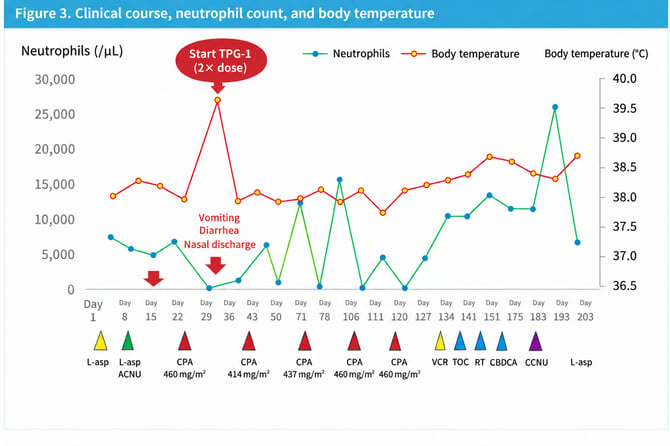
Figure 3. Clinical course and treatment timeline.
5. Discussion
Key Clinical Considerations
Chemotherapy-induced myelosuppression can increase susceptibility to infectious complications. In cats with a previous history of feline viral upper respiratory disease, immunosuppression may also be associated with recurrence or exacerbation of respiratory clinical signs.
In the present case, severe upper respiratory and gastrointestinal signs developed during profound neutropenia following high-dose CPA.
An important clinical observation was that, after Huaier-derived glycan TPG-1 was introduced as concomitant supportive care, recurrence of the previously observed nasal and gastrointestinal signs was not documented despite subsequent episodes of chemotherapy-associated neutropenia.
However, this was a single uncontrolled case in which supportive care, changes in chemotherapy dosing, recovery from myelosuppression, and several subsequent antineoplastic treatments occurred concurrently or sequentially.
Accordingly, a causal relationship between TPG-1 administration and the absence of recurrent respiratory, gastrointestinal, febrile, or infectious complications cannot be established.
1. Respiratory and Gastrointestinal Clinical Course
Gastrointestinal adverse events, including diarrhea and vomiting, may occur during cytotoxic chemotherapy, while profound chemotherapy-induced neutropenia can increase susceptibility to infectious complications.
In the present case, the neutrophil count decreased to 180/µL on Day 29 and was accompanied by severe nasal discharge, sneezing, vomiting, diarrhea, and fever.
After Huaier-derived glycan TPG-1 was introduced at twice the recommended dose together with supportive treatment, the nasal discharge and diarrhea resolved and were not documented again through Day 203.
This temporal sequence is clinically noteworthy. However, the observed improvement may also have been influenced by supportive treatment, recovery from myelosuppression, subsequent modification of chemotherapy dosing, the natural course of the respiratory disease, or other unmeasured factors.
Therefore, the present case does not establish that TPG-1 prevented or treated respiratory or gastrointestinal complications.
2. Febrile Neutropenia and Continuation of Chemotherapy
It is important to note that Huaier-derived glycan TPG-1 did not prevent chemotherapy-associated myelosuppression itself.
Neutrophil counts continued to decrease in association with subsequent chemotherapy administration while the cat was receiving TPG-1.
Nevertheless, after the initial episode on Day 29, subsequent periods of neutropenia were not accompanied by recurrent fever or clinically apparent infectious complications.
Antineoplastic treatment was subsequently continued, including re-escalation of CPA to 460 mg/m².
In this individual case, the absence of recurrent febrile or clinically apparent infectious complications coincided with the ability to continue the chemotherapy regimen for a period of time.
Whether concomitant TPG-1 contributed to this clinical course cannot be determined and would require evaluation in appropriately controlled studies.
3. Interpretation of the Possible Role of TPG-1
The clinical course after introduction of TPG-1 raises the hypothesis that TPG-1 may have contributed to the observed changes in treatment-associated respiratory or gastrointestinal signs.
However, immune function, mucosal integrity, inflammatory mediators, viral activity, and other biological mechanisms were not directly evaluated in this case.
Accordingly, mechanisms involving immune regulation or maintenance of mucosal homeostasis remain hypothetical and should not be inferred directly from the clinical observations.
The findings should therefore be regarded as hypothesis-generating rather than evidence of a specific supportive, immunomodulatory, or mucosal-protective effect.
Conclusion
This case describes the concomitant use of Huaier-derived glycan TPG-1 during chemotherapy and subsequent multimodal treatment in an elderly cat with high-grade B-cell nasal lymphoma and a history of feline viral rhinotracheitis.
Following the development of severe febrile neutropenia accompanied by marked respiratory and gastrointestinal signs after high-dose CPA, TPG-1 was introduced together with conventional supportive care.
The previously observed nasal and gastrointestinal signs subsequently resolved and were not documented again during the remaining treatment period. No further episodes of febrile neutropenia or clinically apparent infectious complications were reported despite subsequent episodes of chemotherapy-associated neutropenia.
However, because this was a single uncontrolled case involving multiple concurrent and sequential interventions, the contribution of TPG-1 to these outcomes cannot be determined.
The findings should therefore be interpreted as preliminary, hypothesis-generating clinical observations rather than evidence that TPG-1 prevents chemotherapy-associated complications or improves immune or mucosal function.
The observed clinical course supports further investigation of Huaier-derived glycan TPG-1 as a potential supportive adjunct during chemotherapy, particularly with regard to treatment-associated respiratory and gastrointestinal complications.