
Case provided by Professor Masaharu Hisasue, Laboratory of Small Animal Internal Medicine, Azabu University
Case Information
A 10-year-old spayed female Toy Poodle had previously been diagnosed with immune-mediated hemolytic anemia (IMHA).
At the time adjunctive Huaier-derived TPG-1 was introduced, the IMHA was considered to be in clinical remission. Hematologic findings were relatively stable, with a white blood cell count of 30,000/μL, red blood cell count of 7.66 × 10⁶/μL, and packed cell volume (PCV) of 51%.
Despite hematologic stabilization, the dog continued to experience chronic gastrointestinal signs, including recurrent vomiting and diarrhea. During more severe episodes, hematemesis was also reported. These persistent gastrointestinal signs were considered to have a substantial negative effect on the dog's quality of life.
At the initial onset of IMHA, the disease had been severe, with PCV decreasing to approximately 10% and increased numbers of spherocytes observed on peripheral blood smear examination.
A whole-blood transfusion was administered, and immunosuppressive therapy with prednisolone and mycophenolate mofetil (MMF) was initiated.
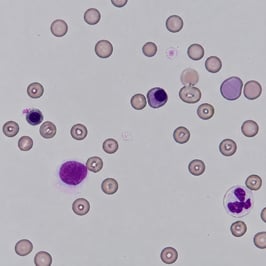
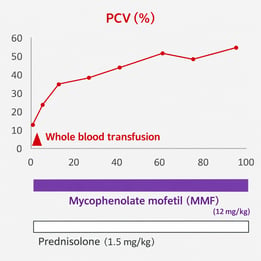
Figure 1. Initial clinical course of immune-mediated hemolytic anemia (IMHA).
(A) Peripheral blood smear obtained during the initial severe episode of IMHA, showing increased numbers of spherocytes.
(B) Changes in packed cell volume (PCV) following whole-blood transfusion and initiation of immunosuppressive therapy with prednisolone and mycophenolate mofetil (MMF).
The original treatment record indicates prednisolone at approximately 1.5 mg/kg and MMF at approximately 12 mg/kg during remission induction.
Following recovery of PCV, the gastrointestinal signs also temporarily stabilized. However, chronic vomiting subsequently worsened again and was accompanied by reduced food intake and weight loss.
Vomiting persisted at a frequency of approximately one to three episodes per week, and chronic diarrhea was also observed.
Although serum protein concentrations remained relatively preserved, persistent gastrointestinal signs and declining body condition remained clinically important concerns.
Background and Clinical Considerations
Canine chronic enteropathy comprises a heterogeneous group of disorders characterized by persistent or recurrent gastrointestinal signs.
Differentiation among inflammatory enteropathy, other chronic gastrointestinal disorders, and intestinal neoplasia can sometimes be challenging because clinical, imaging, and histopathologic findings may overlap.
Accordingly, persistent or recurrent gastrointestinal signs warrant continued clinical assessment and, when clinically appropriate, additional or repeat diagnostic evaluation.
Chronic enteropathy should not itself be regarded as a premalignant condition on the basis of this case. However, the potential overlap in clinical presentation with intestinal lymphoma and other gastrointestinal diseases supports the importance of longitudinal monitoring.
Diagnostic Evaluation
At approximately Day 512, vomiting was occurring one to three times per week.
Serum total protein and albumin concentrations were 6.5 g/dL and 3.7 g/dL, respectively.
Abdominal ultrasonography revealed mild thickening of the duodenal wall and enlargement of multiple abdominal lymph nodes, with particularly prominent enlargement of the peripancreatic lymph nodes (Figure 2A).
Cytologic examination of an enlarged lymph node demonstrated predominantly lymphocytic inflammatory findings.
Endoscopic examination and histopathologic evaluation of gastrointestinal biopsy specimens were subsequently performed (Figure 2B).
Based on the combined clinical course, imaging findings, cytology, endoscopic findings, and gastrointestinal histopathology, the chronic enteropathy was considered clinically consistent with immunosuppressant-responsive enteropathy (IRE).
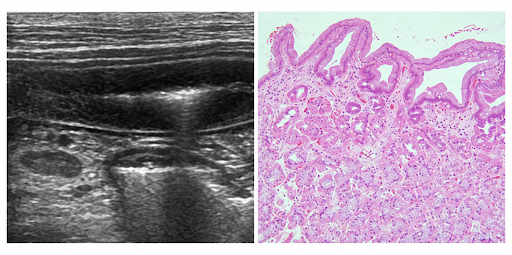
Figure 2. Diagnostic evaluation of chronic enteropathy.
(A) Abdominal ultrasonographic image obtained during evaluation of the gastrointestinal signs.
(B) Histopathologic image of an endoscopically obtained gastrointestinal biopsy specimen.
At this stage, the dog was already receiving immunosuppressive and symptomatic therapy.
The treatment regimen documented in the source material included prednisolone at approximately 0.63 mg/kg/day, MMF at 6 mg/kg/day, omeprazole at 1.25 mg/kg/day, maropitant at 1 mg/kg/day, and metoclopramide at approximately 1.25 mg/kg/day.
Further escalation of glucocorticoid therapy was considered undesirable because subsequent dose reduction could become more difficult. In addition, gastrointestinal signs persisted despite concurrent antiemetic, prokinetic, and acid-suppressive treatment.
Huaier-derived TPG-1 was therefore introduced as an adjunct to the existing treatment regimen.
Clinical Course Following Introduction of TPG-1
Approximately 50 days after initiation of adjunctive TPG-1, the frequency of vomiting, which had previously occurred approximately one to three times per week, had decreased substantially.
During subsequent follow-up, the prednisolone dose was reduced to approximately 0.31 mg/kg every other day (EOD).
Signs suggestive of recurrence were subsequently observed, and prednisolone was therefore returned to approximately 0.31 mg/kg once daily (SID).
Following this adjustment, the gastrointestinal signs remained clinically stable, with no further apparent recurrence of vomiting during the reported observation period.
Maropitant and omeprazole were subsequently discontinued, followed by withdrawal of metoclopramide.
At the end of the reported follow-up period, gastrointestinal signs were reported to remain controlled while the dog continued to receive prednisolone and adjunctive TPG-1.
The longitudinal clinical-course record also demonstrated a gradual increase in body weight from approximately 3.8–4.0 kg during the earlier phase of chronic gastrointestinal disease to approximately 4.3 kg during later follow-up.
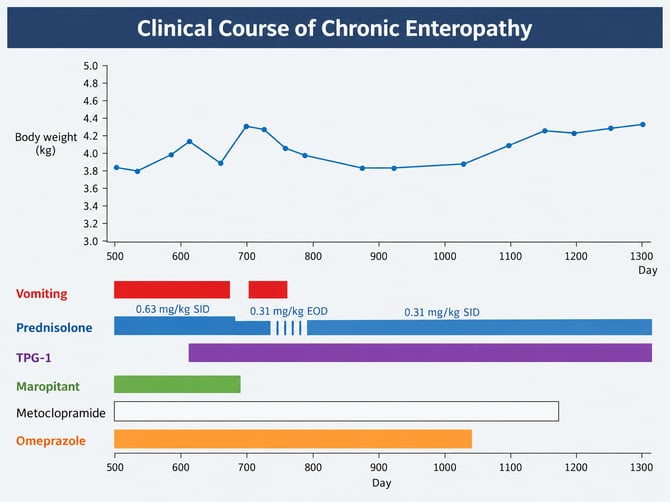
Figure 3. Longitudinal clinical course.
Changes in body weight and vomiting frequency are shown together with the treatment periods for prednisolone, adjunctive Huaier-derived TPG-1, maropitant, metoclopramide, and omeprazole.
TPG-1 was introduced during ongoing immunosuppressive and symptomatic therapy. Subsequent clinical improvement therefore occurred in the setting of multiple concurrent and sequential treatment adjustments and should not be attributed to TPG-1 alone.
Clinical Interpretation
Several clinically favorable changes were documented after adjunctive TPG-1 was introduced.
Vomiting frequency decreased, body weight subsequently increased, the prednisolone dose was reduced for a period of time, and several medications used for symptomatic gastrointestinal management were ultimately discontinued.
However, these changes occurred while the dog remained on immunosuppressive therapy and while the doses or use of several concurrent medications were being adjusted.
In particular, prednisolone could initially be reduced to every-other-day administration but had to be returned to once-daily administration after signs suggestive of recurrence were observed.
This clinical course is important because it demonstrates that complete control of the gastrointestinal disease was not maintained independently of ongoing glucocorticoid therapy.
Accordingly, the observed reduction in vomiting, increase in body weight, and ability to discontinue symptomatic medications cannot be attributed specifically to TPG-1.
Similarly, this case does not establish that TPG-1 had a glucocorticoid-sparing effect.
The fact that gastrointestinal signs remained controlled after withdrawal of several symptomatic medications is clinically noteworthy, but the contribution of TPG-1 relative to prednisolone, MMF, natural fluctuation of the disease, dietary factors, and other unmeasured variables cannot be determined.
Relationship Between IMHA and Chronic Enteropathy
The IMHA was considered clinically stable when TPG-1 was introduced, and the primary treatment concern at that stage was the chronic gastrointestinal disease.
Therefore, the subsequent gastrointestinal course should not be interpreted as evidence that TPG-1 contributed to remission or control of IMHA.
Likewise, this single case does not establish a biological relationship between the dog's IMHA and chronic enteropathy.
Both conditions involved immune-mediated or inflammatory clinical considerations, but their coexistence in one patient does not establish a shared underlying mechanism.
Discussion
This case describes the clinical course of a dog with IMHA in clinical remission and concurrent chronic enteropathy that remained symptomatic despite ongoing immunosuppressive and gastrointestinal supportive therapy.
Adjunctive Huaier-derived TPG-1 was introduced while the dog was receiving prednisolone, MMF, and multiple medications for control of gastrointestinal signs.
During subsequent follow-up, vomiting frequency decreased, body weight increased, and several symptomatic gastrointestinal medications were discontinued.
Prednisolone was also reduced from approximately 0.63 mg/kg/day to 0.31 mg/kg EOD for a period of time. However, signs suggestive of recurrence subsequently required return to 0.31 mg/kg SID.
The temporal relationship between TPG-1 introduction and the subsequent clinical improvement is of interest. However, because this was a single uncontrolled case involving multiple concurrent medications and treatment adjustments, the independent contribution of TPG-1 cannot be determined.
The improvement may have reflected the effects of ongoing immunosuppressive therapy, changes in symptomatic medications, natural fluctuation of chronic enteropathy, dietary or environmental factors, or a combination of these influences.
In addition, no specific immunologic or inflammatory biomarker was evaluated to demonstrate a biological effect of TPG-1 in this dog.
Accordingly, any proposed immunomodulatory contribution of TPG-1 remains hypothetical.
The owner's reported satisfaction with the later clinical course provides useful information regarding the perceived clinical outcome but should be interpreted as a subjective observation because no validated quality-of-life assessment instrument was used.
Conclusion
This case describes a Toy Poodle with IMHA in clinical remission and concurrent chronic enteropathy characterized by recurrent vomiting and diarrhea despite ongoing immunosuppressive and symptomatic treatment.
Following addition of Huaier-derived TPG-1 to the existing treatment regimen, vomiting frequency decreased, body weight increased, and several gastrointestinal symptomatic medications were subsequently discontinued.
Prednisolone was also reduced temporarily, although once-daily administration was later required again when signs suggestive of recurrence were observed.
Because multiple treatments were administered and adjusted concurrently, a causal relationship between TPG-1 administration and the observed gastrointestinal improvement, weight gain, medication reduction, or glucocorticoid tapering cannot be established from this single case.
The findings should therefore be interpreted as preliminary, hypothesis-generating clinical observations rather than evidence of therapeutic or steroid-sparing efficacy.
Additional cases and appropriately controlled studies would be required to determine whether adjunctive TPG-1 has a reproducible clinical role in dogs with chronic enteropathy receiving immunosuppressive therapy.